


Section titled module-2
Why it’s important
What we can do
How we'll measure progress
Why it’s important
What we can do
How we'll measure progress
Section titled why-its-important
Why it’s important
We want all our children and young people to have the best start in life; to meet their needs and give them the best opportunity to be healthy and well. We want to support parents and carers, within their local communities, and to reduce inequalities that unfairly impact on the health and development outcomes of children and young people.
Where the building blocks for good health are weak or missing, this has a detrimental impact on children and young people:
- Around 25,000 children in Bristol, North Somerset and South Gloucestershire growing up in poverty are more likely to experience health problems from birth and throughout life.
- Measures of school readiness at age five show a 20-25% gap between the most and least deprived areas of Bristol, North Somerset and South Gloucestershire.
- More people in Bristol, North Somerset and South Gloucestershire aged 16-17 are not in education, employment or training compared with the national average.
We also know that childhood obesity rates are increasing among children living in the poorest areas. Children who are obese have a much greater likelihood of being obese as an adult with higher risks of conditions like heart disease, cancer and type 2 diabetes.
This video features Lavinia King, Co-production Coordinator for Bristol Parent Carers, talking about the partnership work underway to transform neurodiversity services for children and young people in Bristol, North Somerset and South Gloucestershire.
Section titled what-we-can-do
What we can do
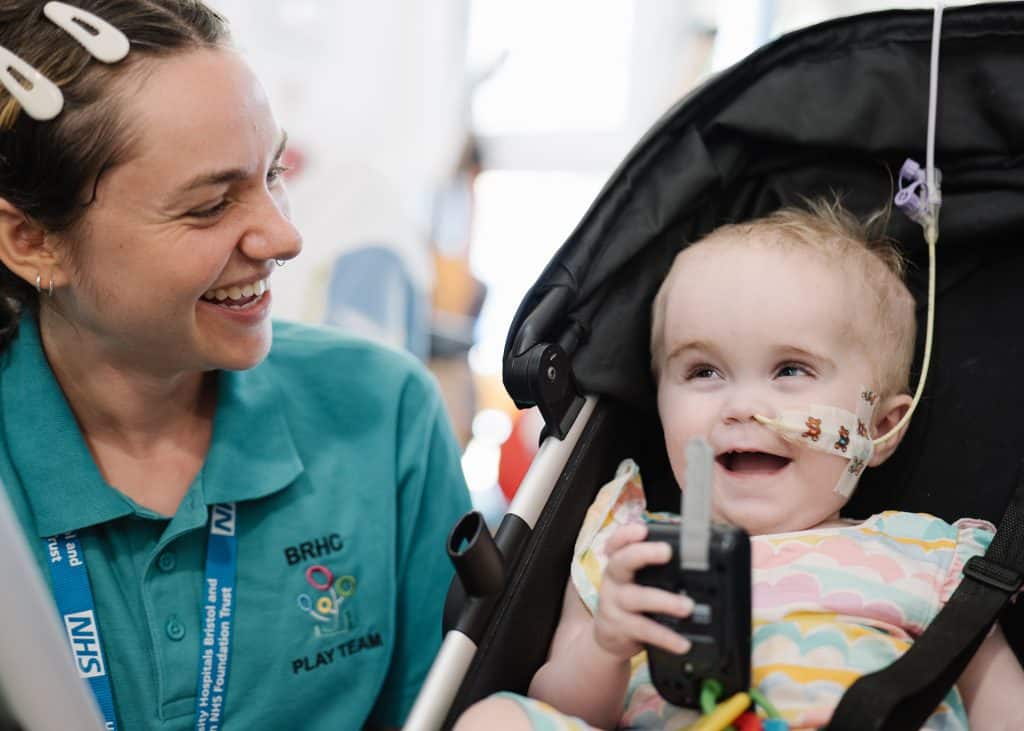
The first 1,001 days of a child’s life from birth to the age of two are the most important in terms of their mental, emotional and physical development. We will work together to support families during those first 1,001 days, prioritising support for households who are unfairly at risk of the poorest health outcomes.
As a system, we will:
- work with public health teams to support healthy behaviours for new and expectant families
- continue our work alongside the Race and Health Observatory Learning and Action Network to reduce disparities in pre-term birth outcomes and experiences
- implement the maternity and early years strategic framework and begin delivery of a system early years improvement plan
- continue the Neurodiversity Transformation Programme, including testing of neurodiversity support hubs and agreeing a three-year plan to address waiting times for ADHD and autism assessments
- continue to develop a comprehensive Mental Health Support Teams in school service
- improve transition support for children moving to adult services
Section titled how-well-measure-progress
How we’ll measure progress
- We will focus on reducing health inequalities for children and young people supported by NHS England’s Core20PLUS5 framework to inform action to reduce healthcare inequalities.
- We will continue to improve children’s mental health services, aligning with our all-age mental health strategy, to ensure children and young people are supported to meet their needs, earlier on, in their local community.
- We will maintain our children’s emergency and urgent care performance within the four-hour waiting time standard.
- We will improve access to and reduce waits for children’s acute, community and mental health services in line with national standards.
- Maternity and neonatology teams will increase co-production involving a wider range of women and their families to help further improve our services.
This page provides an overview. To read about our plans in detail, take a look at the full Joint Forward Plan 2025 to 2030.
Joint Forward Plan 2025 to 2030Section titled module-6
Strategic Commitments
Align everything we do to the outcomes we want
Demonstrate our system-wide commitment to prevention
Focus on the first 1,001 days to give our children the best start
Change how we work to reduce health inequalities actively
Prioritise the health impacts of poverty and disadvantage
Build a workforce who are supported, skilled and healthy
Focus on the whole person – not just the disease
Work together as equal partners to tackle our biggest problems
Support the economy with our purchasing and employment practices
Develop a better, healthier environment for people to live in
Outcomes Framework
The healthy life expectancy of our population
The health and wellbeing of our population
The health of services
The health and wellbeing of our staff
The health and wellbeing of our communities
The health and wellbeing of our environment
Section titled module-7
The Strategic Commitments and Outcomes Framework tick boxes show a brief summary of how different areas of work contribute to our wider strategic aims and outcomes.
Outcomes framework – We use a system outcomes framework to measure our progress. Each outcome has linked indicators designed to monitor our progress and link it back to our strategic objectives.
Strategic commitments – These are the nine commitments we made in our Integrated Care System Strategy to transform our services.