Preventing falls and staying well
Contents
- Strength and balance exercises
- Looking after your health to prevent falls
- Fall-proof your home
- What to do if you're falling often


Contents
As you get older, your muscles can become weaker and your joints may stiffen, making it harder to stay balanced and steady on your feet. Regular activity can help keep your body stronger, steadier and ready for daily life.
Being active can improve health conditions like diabetes, high blood pressure, anxiety and depression. It can also help reduce your risk of dementia.
You don’t need a gym or special equipment; everyday activities such as gardening, housework, walking the dog, playing with grandchildren, or taking the stairs all count.
The key is to find something you enjoy, as you’re more likely to keep it up.
Joining activities or a class can be a good way to meet people in your community and can provide motivation and support. You can use the interactive map to find local strength and balance classes, or use the lists below to find local classes and activities by area.
Find local strength and balance classes using the interactive map
Targeted exercises can help you stay steady and reduce your risk of falls. Try the following strength and balance exercises by the NHS:
The Fall Proof Plan by Wesport is designed to help you incorporate simple exercises into your daily routine. The plan includes a guided booklet and links to strength and balance exercise videos.
Sirona care & health have developed videos in Gujarati language showing people doing exercises with a qualified physiotherapist. They’re helpful for those recovering from a minor stroke and for people with diabetes or high blood pressure to stay active. Watch them on the Sirona care & health YouTube channel.
If you find it hard to get out of a chair without using your arms, it may be a sign that your legs are weak, often due to arthritis or joint pain. Strength exercises can help protect your joints and improve everyday movement.
These chair-based exercises can be a good starting point.
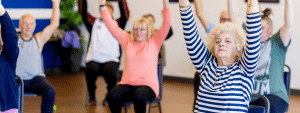
These short films, taken at local strength and balance classes, give a taste of what classes are like and how they can help you stay steady and active.